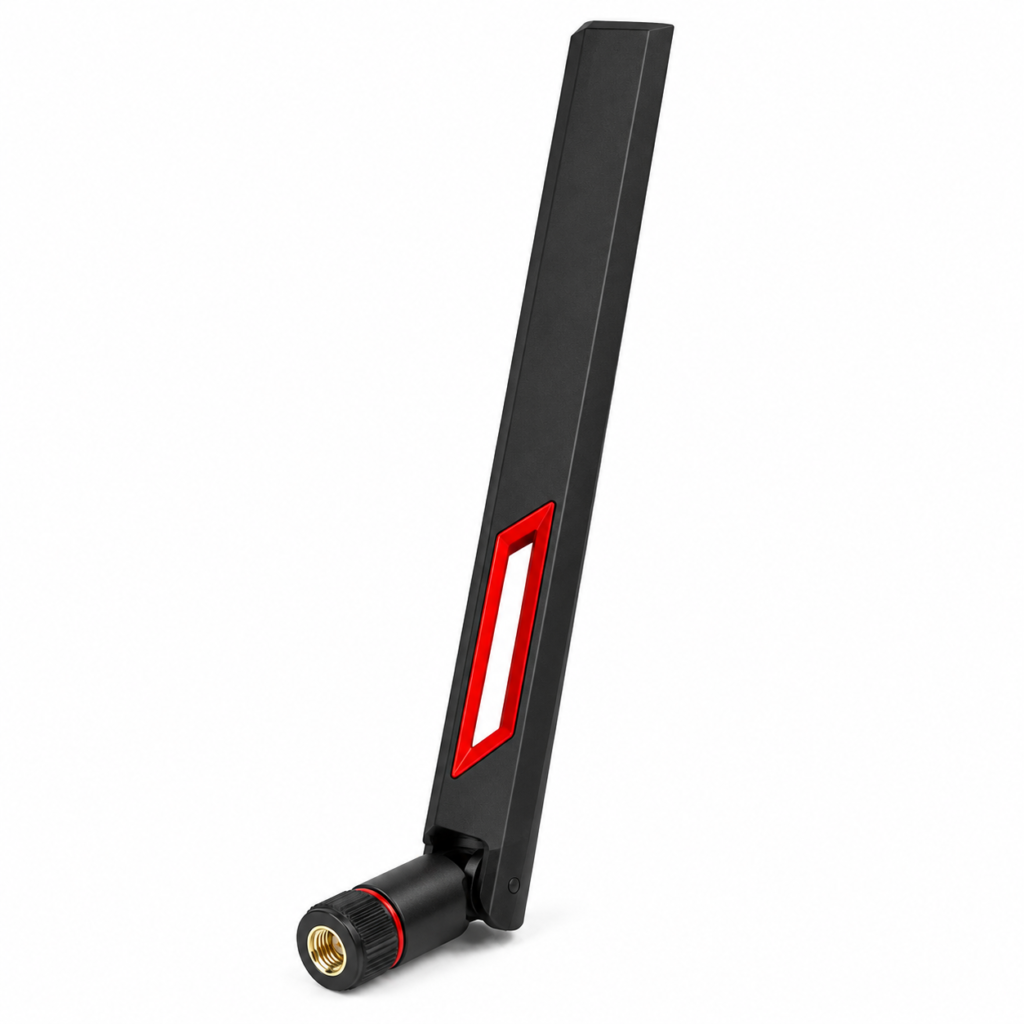
 Click to Zoom
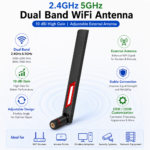
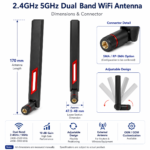

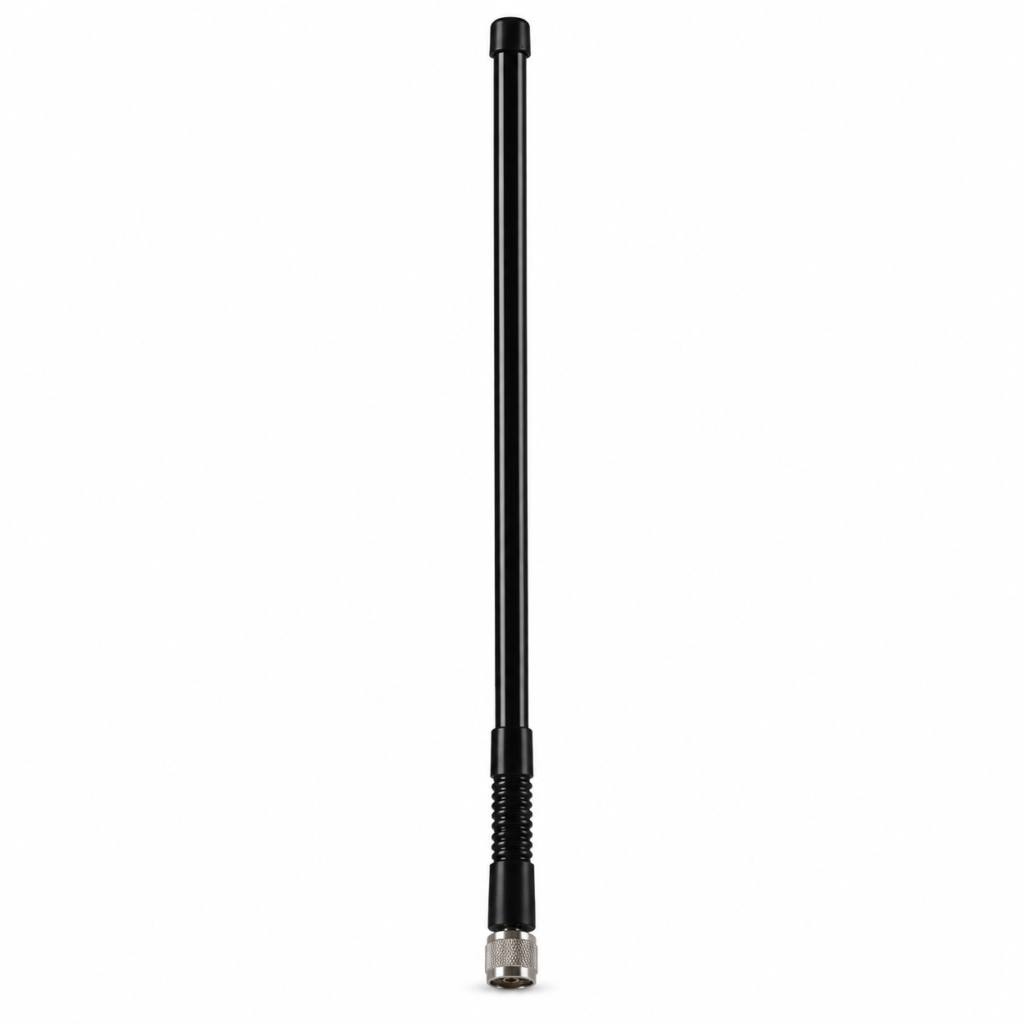
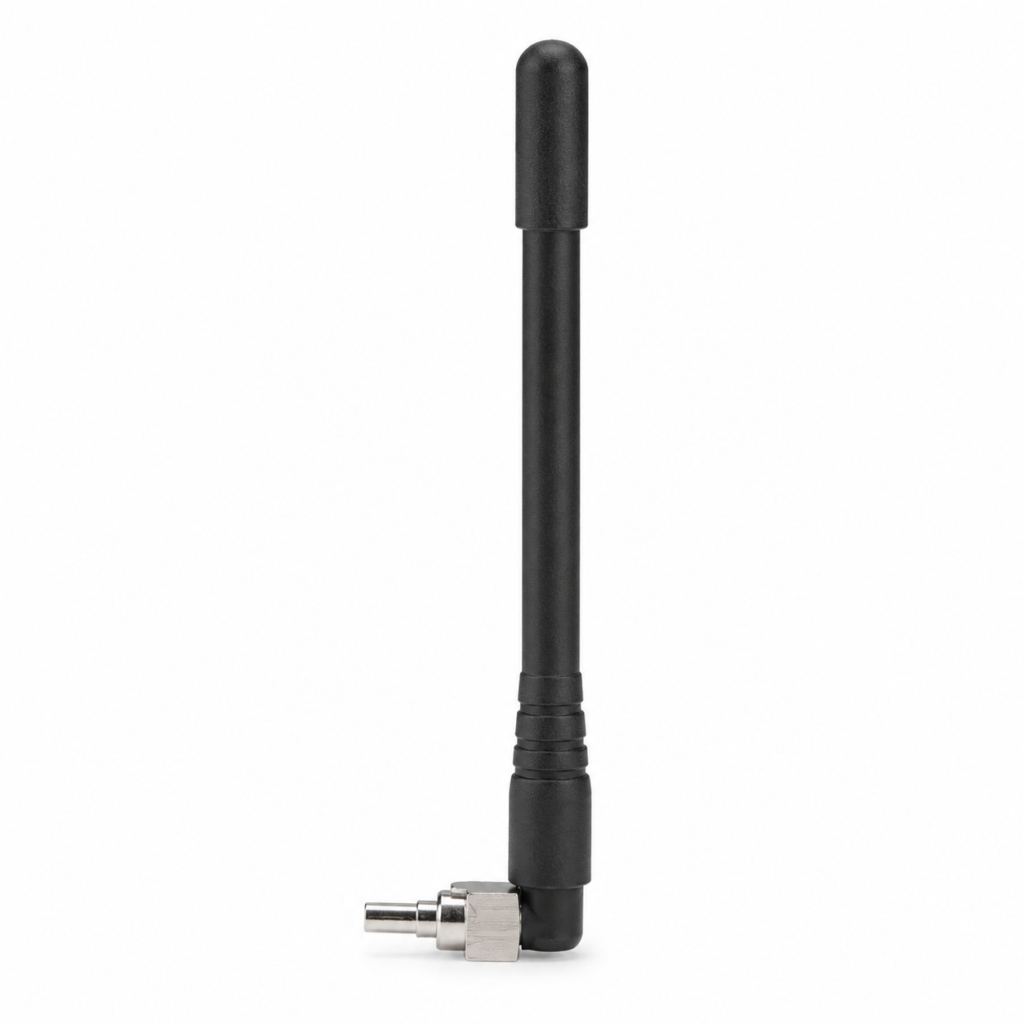
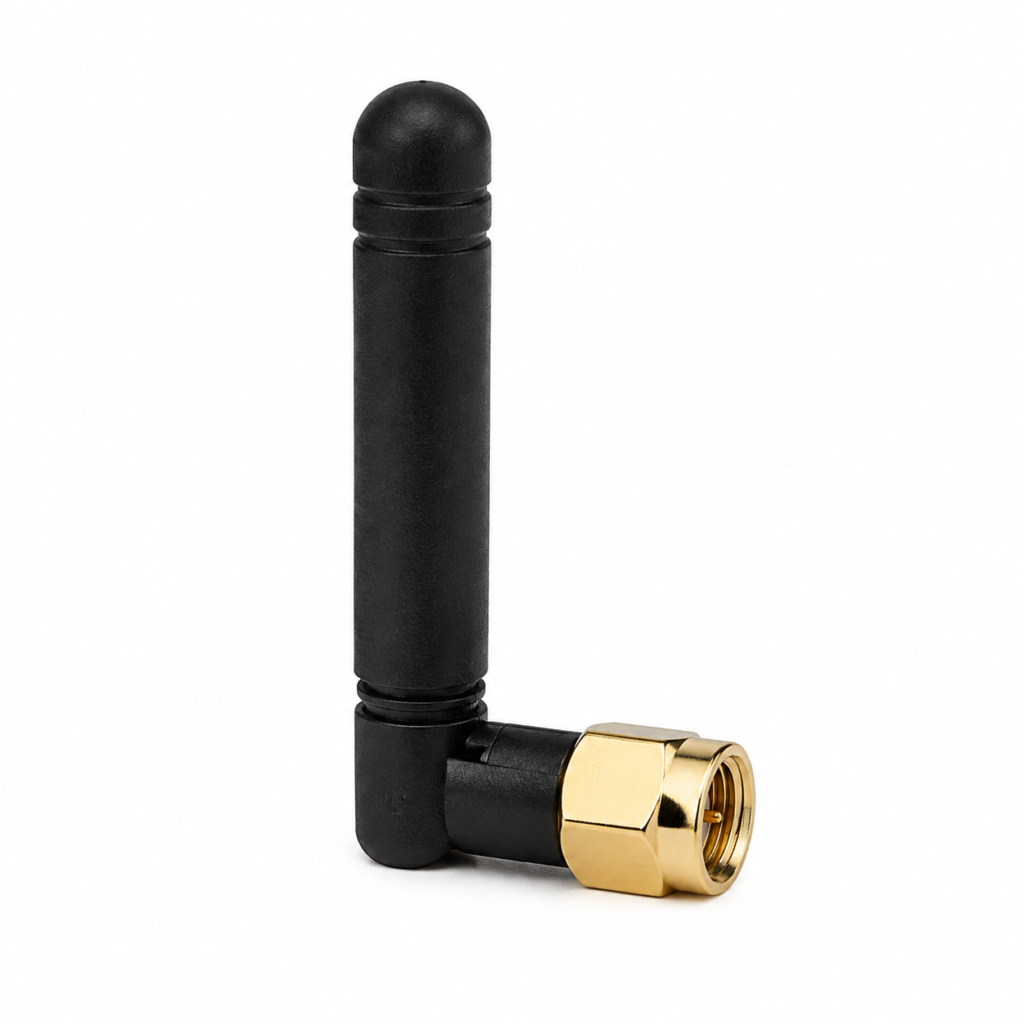
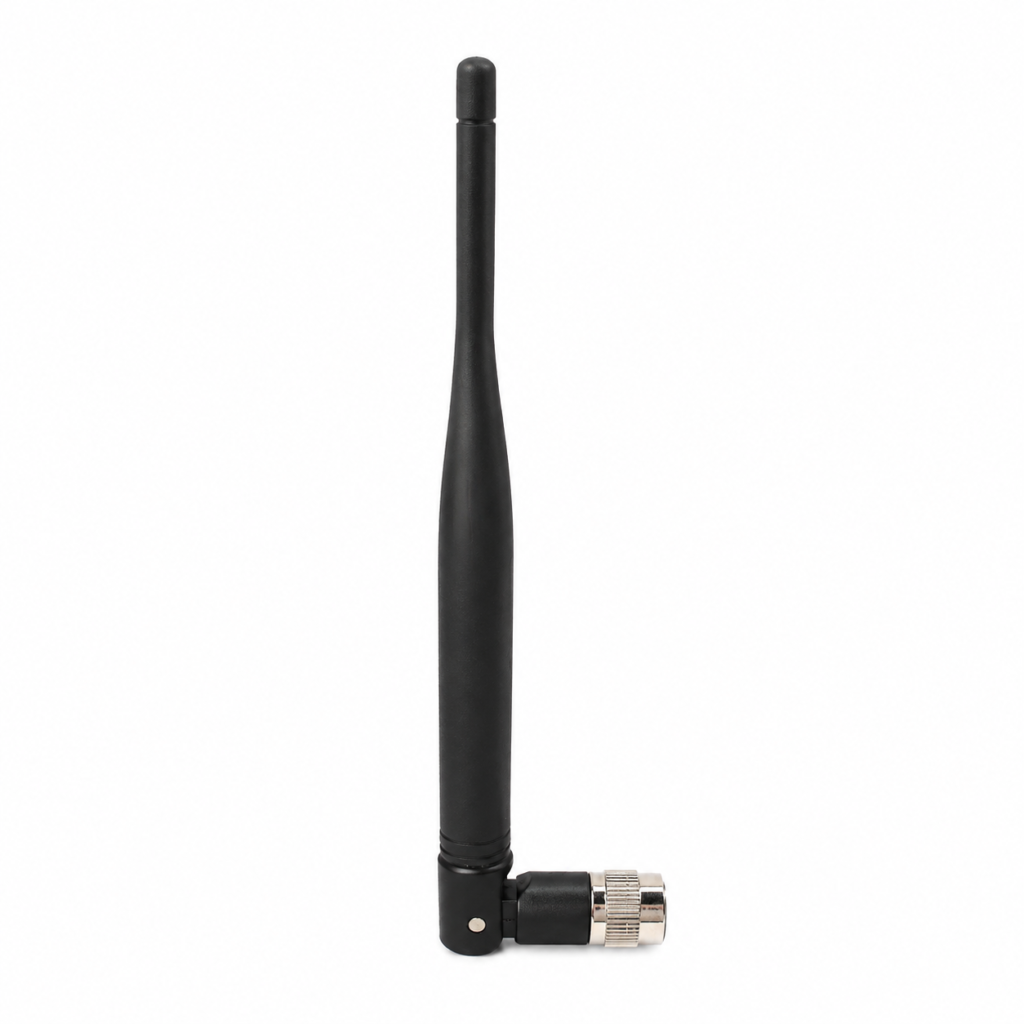
2.4GHz 5GHz Dual Band WiFi Antenna
| Configuration item | Reference / project requirement |
|---|---|
| Product form | External adjustable WiFi paddle antenna |
| Reference frequency ranges | 2400–2500 MHz / 4900–5900 MHz; required channels confirmed for the project |
| Gain, efficiency and matching | Targets and evaluation conditions agreed by band for the selected configuration |
| RF interface | SMA or RP-SMA configuration matched to the equipment connector |
| Reference dimensions | Approx. 170 mm overall; final dimensions and clearance confirmed by drawing |
| Housing and appearance | Reference paddle housing; dimensions, color and appearance customizable |
| Installation | External screw-on mounting; joint angle and clearance reviewed for the device |
| Multi-antenna integration | Port count, layout and coupling evaluated for the complete device |
| Environmental requirements | Temperature and ingress requirements specified and confirmed for the selected configuration |
Custom configurations available. Product images and listed parameters describe reference configurations. Share your required bands, RF targets, dimensions and installation requirements. Final specifications are confirmed for your agreed configuration.
This external dual-band WiFi antenna is a reference paddle-style configuration for routers, access points and connected equipment using the 2.4 GHz and 5 GHz bands. Nova Antenna supports project-specific electrical and mechanical configuration for OEM integration.
Match the antenna to your router bands
The reference frequency ranges are 2400–2500 MHz and 4900–5900 MHz. Tell us the channels and operating bands required by your radio. This dual-band reference configuration does not establish 6 GHz coverage; projects requiring a 6 GHz radio path need a separately confirmed antenna configuration.
External antenna integration
Confirm the equipment connector, available clearance and adjustment angle before selecting the antenna. SMA and RP-SMA interfaces must be checked by both thread and center-contact configuration. Antenna orientation, nearby metal and the enclosure can affect the installed radiation pattern and matching.
For routers with multiple antenna ports, share the port functions and antenna layout. Each RF path needs an appropriate antenna, and the assembled device should be evaluated for coupling and system performance. One external antenna does not by itself define a complete MIMO arrangement.
Custom configuration options
Discuss operating bands, gain and efficiency targets by band, impedance matching, connector configuration, housing dimensions, color and adjustment requirements. The pictured design and listed dimensions are reference information; the final drawing, RF criteria and specifications are agreed for the selected configuration.
Request an OEM antenna quote
Send your radio bands, connector details, enclosure drawing, antenna clearance, performance targets and expected quantity through our contact page. For broader integration needs, see custom RF design. Our WiFi router antenna selection guide explains band and layout considerations.
Frequently asked questions
Can this design be customized? Yes. Frequency coverage, RF targets, connector and mechanical configuration can be reviewed for your project. Feasibility and final specifications are confirmed for the agreed design.
Is a WiFi generation name enough to select the antenna? No. Match the antenna to the actual radio bands, RF interfaces and installation. Do not assume that a dual-band reference design covers a separate 6 GHz path.