How to Choose an NB-IoT Antenna for Smart Metering and Industrial IoT
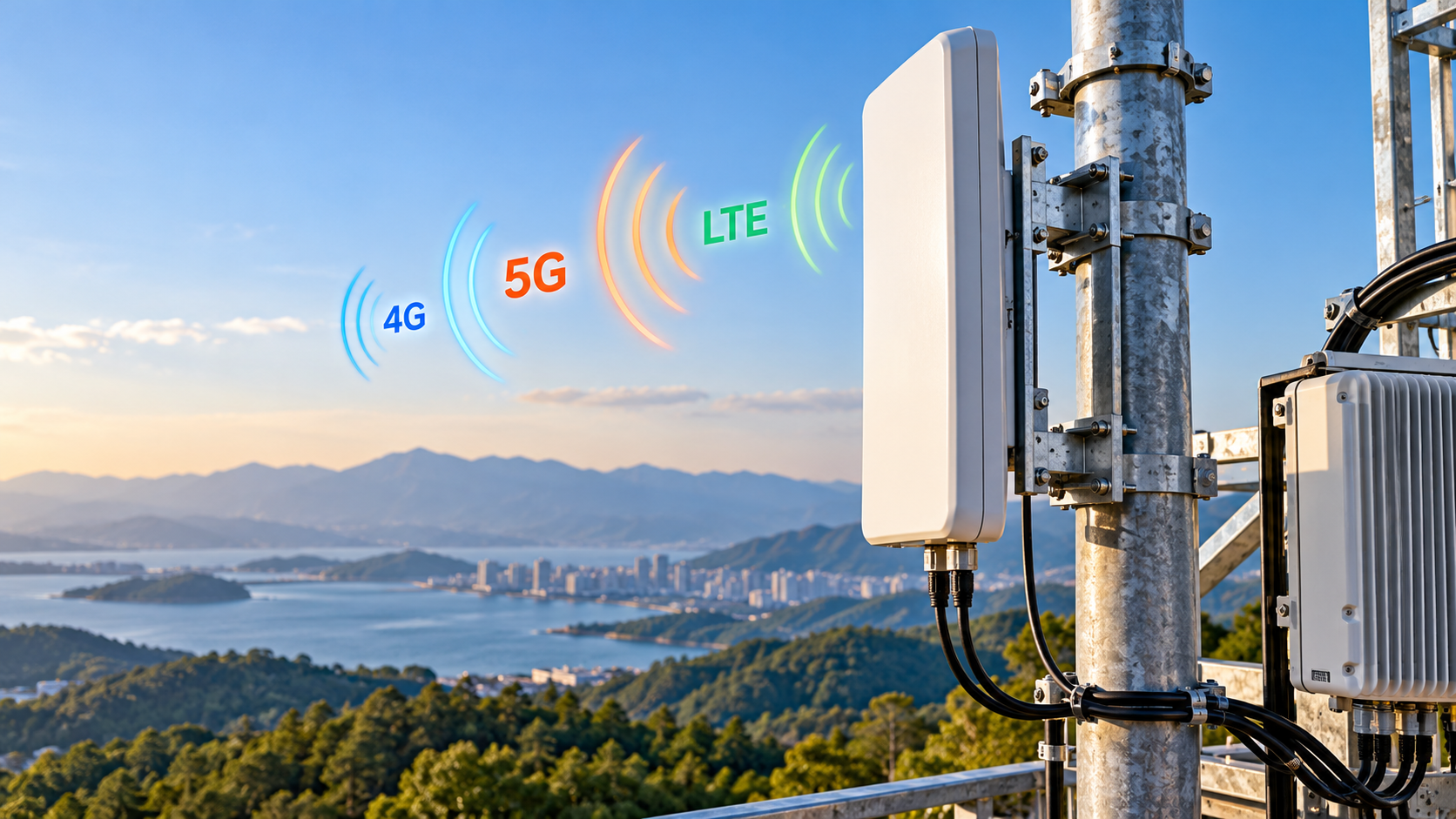
An NB-IoT antenna should be selected from the modem and deployment requirements outward: confirm the actual cellular bands used by the module and operator, decide whether the antenna will be embedded or external, then evaluate enclosure effects, ground conditions, connector or feed structure, cable loss, installation position and the final operating environment. For smart meters and industrial IoT devices, antenna integration is usually more important than choosing the highest gain value.
NB-IoT operates within licensed cellular spectrum, so the antenna must match the frequency ranges the device will actually use. The correct solution for a compact plastic meter can be very different from the correct solution for a metal industrial terminal or an externally mounted gateway.
What Is the Most Important Requirement for an NB-IoT Antenna?
The first requirement is frequency compatibility with the NB-IoT modem and the target mobile network. Do not select an antenna only because the product name says “NB-IoT.” The documented antenna operating range needs to cover the bands required by the module and deployment region.
If the same hardware will be shipped to multiple markets, define all required cellular bands before the antenna is frozen. A wideband antenna may simplify multi-region hardware, while a narrower design may fit a more limited regional requirement. The correct choice depends on the modem, network plan and device architecture.
NB-IoT Antenna Selection: Quick Decision Table
| Design Requirement | What to Confirm | Why It Matters |
|---|---|---|
| Cellular band coverage | Actual NB-IoT bands used by the module and operator | Defines the electrical frequency range the antenna must support. |
| Antenna architecture | Embedded PCB/FPC/chip or external antenna | Changes space, feed path, enclosure interaction and installation flexibility. |
| Device enclosure | Plastic, metal, mixed material and nearby internal parts | Can detune or shield an embedded antenna. |
| Ground requirements | PCB ground size and antenna placement specified by the design | Affects matching, efficiency and repeatability. |
| RF interface | Direct feed, miniature coax connector or external connector | Determines cable, assembly and service requirements. |
| Feed-line loss | Cable type, length and connector loss | Reduces the RF power delivered between modem and antenna. |
| Installation environment | Indoor meter box, utility cabinet, factory equipment or outdoor housing | Changes placement and mechanical requirements. |
Should an NB-IoT Device Use an Embedded or External Antenna?
Use an embedded antenna when the product needs a compact enclosure, the antenna can be positioned in a suitable RF area, and the enclosure materials do not excessively block the radio signal. PCB and FPC antennas can work well in smart meters and compact terminals when their placement, ground and matching requirements are designed in from the beginning.
Use an external antenna when the device enclosure or installation makes internal RF performance difficult, or when moving the antenna away from a metal cabinet or obstructed position is valuable. External antennas can provide more installation freedom, but they add connectors, cable routing and possible feed-line loss.
Why Do Metal Enclosures Cause Problems for NB-IoT Antennas?
Metal can shield an antenna and strongly alter its RF environment. An antenna placed inside a closed metal cabinet may not have a useful radiation path even if the antenna itself is electrically compatible with the modem.
For industrial equipment, first determine whether the antenna can be placed outside the metal enclosure or near a non-metallic RF window. If an external antenna is required, include the cable and connector loss in the link budget instead of treating the antenna location as a purely mechanical decision.
How Does a Plastic Enclosure Affect an Embedded Antenna?
Plastic is usually less shielding than metal, but the complete enclosure can still change antenna tuning. Wall thickness, coatings, displays, batteries, wiring, metal fasteners and nearby PCB structures can all change the installed antenna response.
Validate the antenna in the production-intent enclosure. A good result measured with the antenna loose on a bench does not guarantee the same result once the meter or terminal is fully assembled.
Why Does the PCB Ground Plane Matter?
Many embedded antennas depend on the host PCB and ground structure as part of the RF system. Changing ground size, antenna location, nearby copper or mechanical components can change impedance and radiation behavior.
Follow the antenna integration guidance for the exact design and reserve the required clearance area early in the PCB layout. Do not assume that an embedded antenna can be moved to any convenient corner late in the mechanical design without RF consequences.
Does Higher Gain Always Improve NB-IoT Connectivity?
No. Higher antenna gain is not automatically better. Gain describes how radiated energy is distributed in space, so a higher peak value often comes with a different radiation pattern. A smart meter installed in varied orientations may need broad practical coverage rather than a narrow pattern with a larger peak gain.
Review gain together with efficiency, radiation pattern, placement and the installation environment. The modem’s transmit power, receiver performance and network conditions also affect connectivity, so antenna gain should be one part of the total RF decision.
How Important Is Cable Loss for an External NB-IoT Antenna?
Cable attenuation reduces both transmitted and received signal between the modem and antenna. The loss depends on cable type, length and frequency, while connectors and adapters add additional insertion loss.
Keep the feed path only as long as the installation requires. When remote mounting is necessary, use the cable manufacturer’s attenuation data at the relevant cellular frequencies and include all connectors or adapters in the RF budget.
Which Connector Should an NB-IoT Antenna Use?
The connector should match the modem, PCB or enclosure interface. Compact embedded devices may use miniature coaxial connectors or a direct RF feed, while external industrial equipment may use SMA-family or other external RF connectors.
Confirm the exact mating interface before ordering. Avoid unnecessary adapters because they add mechanical complexity, assembly points and RF loss.
How Should Smart Meter Installation Affect the Antenna Choice?
Smart meters may be installed in wall boxes, utility cabinets, basements, plant rooms or outdoor enclosures. These locations can differ greatly in surrounding materials and signal conditions. The antenna should therefore be validated in representative installation environments, not only in open-space laboratory conditions.
If the meter is installed behind metal or inside a dense utility cabinet, antenna placement can be more important than a small difference in nominal gain. For a fixed installation, compare realistic candidate positions before the enclosure and cable path are finalized.
How Is NB-IoT Antenna Selection Different from LoRa Antenna Selection?
Both are used in low-power IoT systems, but NB-IoT uses cellular network bands and must match the modem and operator deployment, while LoRa systems use their own supported regional frequency plan and network architecture. The antenna should always be selected from the radio technology and actual operating frequencies rather than from a generic “IoT antenna” label.
For a broader device-level framework, see matching antennas to different IoT application needs.
This difference is important for procurement. A sub-GHz antenna may physically look suitable for both applications, but electrical compatibility still depends on the documented operating range and the radio system.
What Should You Check Before Freezing the Antenna Design?
- Confirm the modem and operator bands. Record the actual NB-IoT frequency ranges required by the target markets.
- Choose embedded or external architecture. Base the decision on enclosure material, available RF space and installation conditions.
- Reserve the RF area early. For embedded antennas, follow ground and clearance requirements before the PCB layout is locked.
- Verify the RF interface. Confirm the direct feed, miniature connector or external connector arrangement.
- Estimate cable and connector loss. Include the real feed path for external antennas.
- Evaluate installed orientation. Consider how the meter or industrial terminal will actually be mounted.
- Test the assembled product. Validate the antenna in the final enclosure with the production-intent PCB and representative installation.
- Recheck production changes. Significant enclosure, PCB, battery or cable changes should trigger RF re-evaluation.
Common NB-IoT Antenna Selection Mistakes
- Choosing by the NB-IoT label alone: frequency coverage still has to match the modem and network.
- Leaving antenna placement until the end: embedded antenna performance depends on the surrounding PCB and enclosure.
- Putting an antenna inside a metal cabinet without evaluating shielding: the mounting environment can dominate RF performance.
- Choosing only by dBi: gain, efficiency, pattern and installed orientation all matter.
- Ignoring cable loss: a long external feed can consume link margin.
- Adding unnecessary adapters: each RF interface adds loss and mechanical complexity.
- Testing only the loose antenna: production validation should use the assembled device.
Which Nova Antenna Options Are Relevant to NB-IoT Projects?
Nova Antenna maintains a current NB-IoT Antennas category for cellular IoT antenna formats. One verified product example is a 690–960 MHz internal PCB antenna listed for NB-IoT and GSM applications. This type of internal antenna illustrates an embedded approach for devices whose required cellular band falls within the antenna’s documented range.
Review the current NB-IoT Antennas category for available antenna formats.
The example should not be treated as a universal NB-IoT recommendation. The final antenna must match the modem bands, region, PCB integration, connector or feed arrangement and the assembled product environment.
What Information Should You Provide for an NB-IoT Antenna Request?
Prepare the modem or module model, target operator or required cellular bands, deployment countries, enclosure material, PCB dimensions, available antenna area, preferred embedded or external architecture, connector or feed type, cable requirement and representative installation environment.
With those inputs, NB-IoT antenna selection becomes a complete device-integration decision rather than a search for a generic “IoT antenna.” That reduces the risk of selecting an antenna that fits mechanically but does not match the actual network or installed RF environment.